Dian Fossey: The Woman Who Changed Mountain Gorilla Conservation
Few people have changed the way the world understands mountain gorillas as profoundly as Dian Fossey.
For years, mountain gorillas were among the least understood animals in the world. Through her pioneering research in the forests of Rwanda, Fossey brought their intelligence, emotions, family bonds, and individual personalities to global attention.
Her story is one of courage, scientific discovery, conservation, and an extraordinary connection with one of Africa’s most endangered great apes. Today, visitors who travel to Rwanda to experience gorilla trekking in Volcanoes National Park walk through a landscape closely connected to Fossey’s remarkable legacy.
Who Was Dian Fossey?
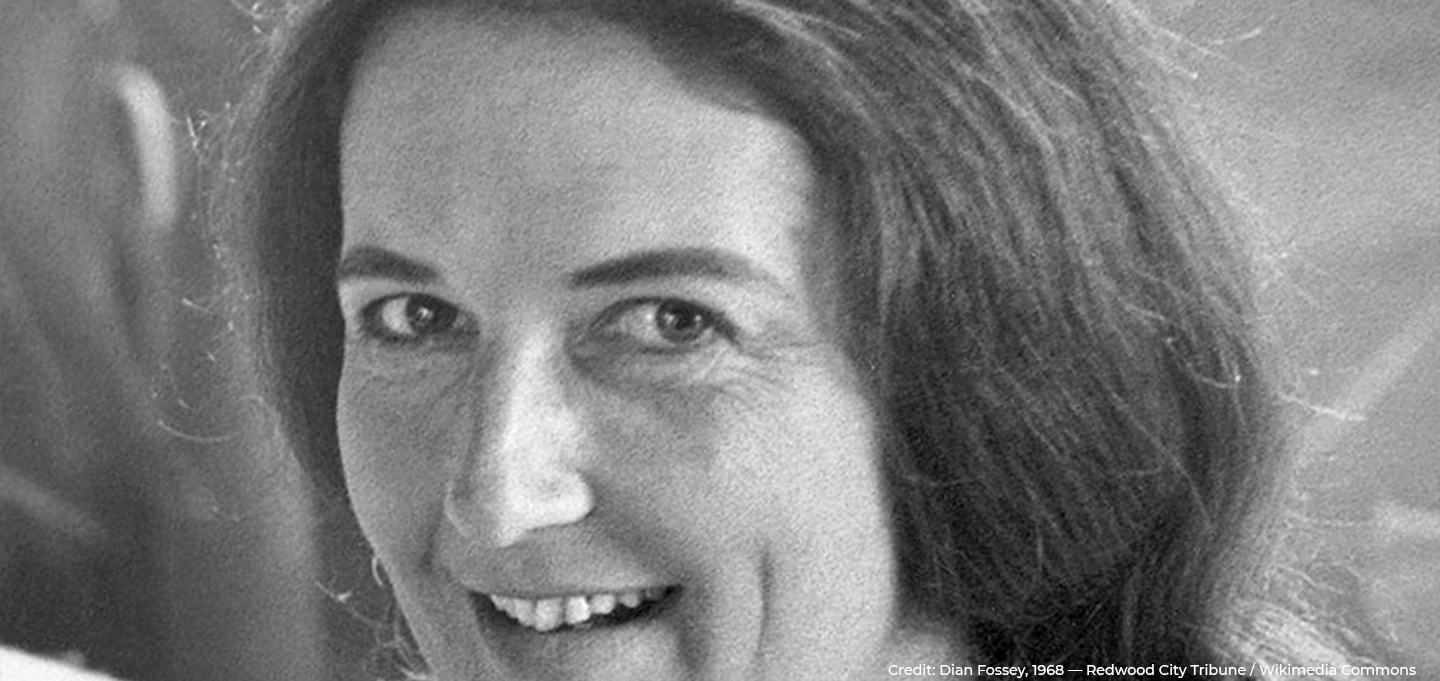
Dian Fossey
Dian Fossey was an American zoologist and primatologist best known for her groundbreaking study of mountain gorillas in the Virunga Mountains of Central Africa.
Born in San Francisco in 1932, Fossey initially trained in occupational therapy before developing a deep interest in Africa and its wildlife.
Her life changed after traveling to Africa and meeting renowned paleoanthropologist Louis Leakey. Leakey encouraged her interest in primate research and later helped her begin a long-term study of mountain gorillas.
In 1967, Fossey established the Karisoke Research Center in the mountains of Rwanda.
It became one of the world’s most important centers for the study and protection of mountain gorillas.
Gorilla Trekking
Explore Dian Fossey’s life, gorilla research, conservation legacy, Karisoke Research Center, and the story behind Gorillas in the Mist.
Head Office
Sarit Gorilla Safaris Limited. Boston St, Salaama Road, Kampala, Uganda
What Did Dian Fossey Discover About Gorillas?
When the one hour of staying with the gorillas erupses, you are asked to get back to the lodge and leave the jungle for the gorillas.
This is because once you stay for a long time with these primates, they start feeling uncomfortable with their environment and they would start thinking they can get diseases.
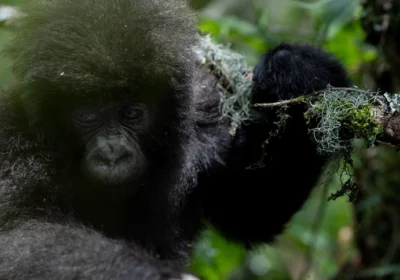
One of Fossey’s greatest contributions was helping the world understand the sophisticated social lives of mountain gorillas.
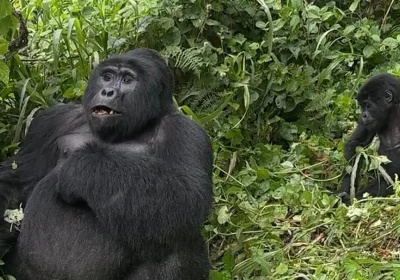
Gorilla families typically live in close-knit groups led by a dominant silverback. Members of the group cooperate, communicate, groom one another, travel together, and protect younger animals.
Fossey documented behaviors that revealed remarkable similarities between gorillas and humans.
She observed affection, play, conflict, hierarchy, maternal care, communication, and individual personalities.
Her work helped transform public perception of mountain gorillas and strengthened international interest in their conservation.
Why Dian Fossey Still Matters Today
More than four decades after her death, Dian Fossey remains one of the most influential figures in mountain gorilla conservation.
Her greatest contribution was perhaps changing the relationship between people and gorillas.
She showed the world that these animals have individual personalities, strong family bonds, intelligence, and remarkable social lives.
Her story also reminds us that wildlife conservation is not simply about protecting animals from extinction.
It is about protecting ecosystems, supporting responsible tourism, encouraging scientific research, and ensuring that future generations can experience wildlife in its natural environment.
The Dian Fossey Gorilla Fund continues her conservation legacy through gorilla protection, research and community-focused conservation.
Travelers interested in Fossey’s story can also learn more about the official Dian Fossey visit experience in Rwanda..
Our Most Popular Sustainable Gorilla Safaris

Login to use

Login to use


Dian Fossey and Gorilla Conservation
Fossey was not only a researcher.
She became a passionate and sometimes uncompromising conservationist.
During her years in Rwanda, she witnessed the threats facing mountain gorillas, including poaching, habitat pressure and human interference.
She believed that protecting gorillas required more than simply studying them.
Fossey became increasingly involved in anti-poaching efforts and worked to protect the gorillas living around her research station.
Her approach sometimes brought her into conflict with local authorities, researchers, and others involved in the region.
Nevertheless, her determination helped bring international attention to the challenges facing mountain gorillas.
Karisoke Research Center
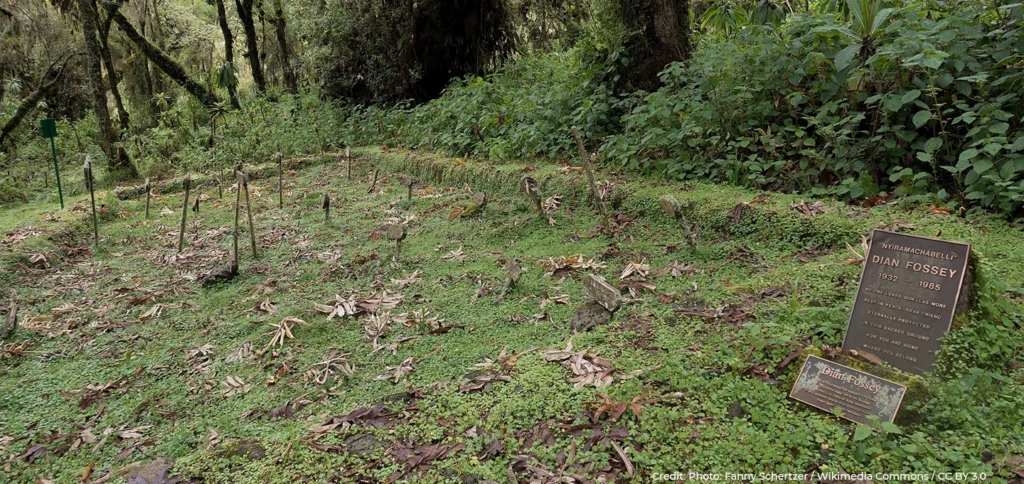
The Karisoke Research Center became one of Dian Fossey’s greatest legacies.
Established in 1967, the center continues to represent an important chapter in mountain gorilla research and conservation.
The research carried out in the Virunga Mountains contributed enormously to scientific knowledge about gorilla behavior and conservation.
Today, the region remains one of the world’s most important places for observing mountain gorillas in the wild.
Dian Fossey's Book: Gorillas in the Mist
Fossey’s experiences became widely known through her book, Gorillas in the Mist, published in 1983.
The book describes her years studying mountain gorillas in Rwanda and provides a fascinating account of her experiences in the forest.
It also helped introduce millions of people around the world to the beauty and vulnerability of mountain gorillas.
The book later inspired the 1988 film Gorillas in the Mist, starring Sigourney Weaver as Dian Fossey.
The film brought her story to an even larger international audience.
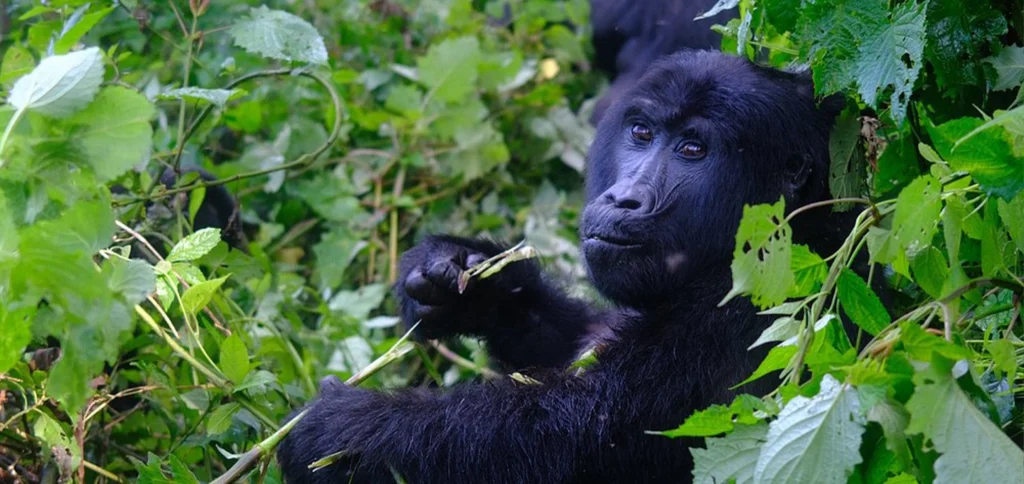
Dian Fossey dedicated her life to studying and protecting mountain gorillas in Rwanda, leaving a lasting legacy in wildlife conservation
What Happened to Dian Fossey?
Dian Fossey was killed on December 26, 1985, at her research cabin in Rwanda.
She was 53 years old.
Her death remains one of the most tragic and mysterious chapters in the history of wildlife conservation.
Fossey was buried at Karisoke beside several of the gorillas she had studied and cared for.
Her grave remains part of the memorial site associated with her work.
Dian Fossey’s Legacy
Although Fossey’s life ended tragically, her influence continues.
Her research helped establish mountain gorillas as one of the world’s most recognized endangered species.
Her work also helped inspire generations of scientists, conservationists, guides, photographers, travelers, and wildlife advocates.
The mountains where she conducted her research remain home to some of the world’s last mountain gorillas.
Her legacy can be seen every time visitors enter the forest to observe these remarkable animals in their natural habitat.
Dian Fossey and Gorilla Trekking in Rwanda
For travelers visiting Rwanda, learning about Dian Fossey adds another dimension to the gorilla trekking experience.
Rwanda’s Volcanoes National Park is part of the Virunga Massif, a spectacular volcanic landscape shared by Rwanda, Uganda, and the Democratic Republic of Congo.
The park is home to a significant population of mountain gorillas and has become one of Africa’s most sought-after wildlife destinations.
A gorilla trek is far more than a wildlife viewing experience.
After hiking through the forest, visitors may spend time observing a gorilla family as they feed, rest, groom, play, and interact with one another.
The experience offers a direct connection to the conservation story Fossey helped bring to the world.
Visiting Dian Fossey's Grave
Travelers interested in Fossey’s story can visit the area around the former Karisoke research site and her memorial.
The hike takes visitors into the dramatic Virunga landscape where Fossey conducted much of her research.
The experience is particularly meaningful for travelers interested in conservation, primatology, photography, history, and mountain gorillas.
Because conditions in the mountains can change quickly, visitors should plan the excursion with an experienced local operator and follow current park and conservation guidelines.
Frequently Asked Questions About Dian Fossey
Have more questions? Contact us.
Who was Dian Fossey?
Dian Fossey was an American zoologist and primatologist who spent many years studying and protecting mountain gorillas in Rwanda’s Virunga Mountains.
Why is Dian Fossey famous?
She became famous for her pioneering research on mountain gorillas and her efforts to protect them from poaching and other threats.
Where did Dian Fossey study gorillas?
Fossey studied mountain gorillas in the Virunga Mountains of Rwanda and established the Karisoke Research Center in 1967.
Can you visit Dian Fossey's grave?
Yes. The memorial area associated with Dian Fossey can be visited in Rwanda’s Volcanoes region, although access and trekking conditions should be confirmed locally before traveling.
Are mountain gorillas still endangered?
Mountain gorillas remain highly protected and face ongoing conservation challenges. Their populations have benefited significantly from intensive conservation efforts, including habitat protection, veterinary care, research, and responsible tourism.
Experience the Legacy of Dian Fossey
Dian Fossey’s story continues in the misty forests of the Virunga Mountains.
Every gorilla family protected today, every researcher studying their behavior, and every responsible traveler who contributes to conservation is part of a much larger story.
For those dreaming of standing quietly in the forest and watching a mountain gorilla family at close range, Rwanda offers one of Africa’s most extraordinary wildlife experiences.
Explore Rwanda. Follow the trail of Dian Fossey.
Meet the mountain gorillas. And become part of their conservation story.