Queen Elizabeth National Park
2023-10-04 11:15
Discover QUEEN ELIZABETH NATIONAL PARK
Queen Elizabeth National Park in Uganda (QENP), formerly known as Kazinga National Park, was established in 1952 but was renamed in 1954 to commemorate Queen Elizabeth II’s visit. It lies on Africa’s Western Rift Valley floor, covering 1,978 sq km at an altitude of 884- 1,337m/2,900- 4,386ft.
You can enjoy a holistic experience in this splendid park with diverse habitats, including grassland, savannah, forests, wetlands, and lakes. The experience provides the setting of an extensive range of large mammals, primates, birds, and butterflies.
The park’s vegetation is a variety of flora and fauna but consists of small trees’ primary thickets, including acacias and evergreens. The park, however, has five levels of vegetation; bushy grassland, Acacia woodland, Lakeshore or swamp vegetation, and forest grassland.
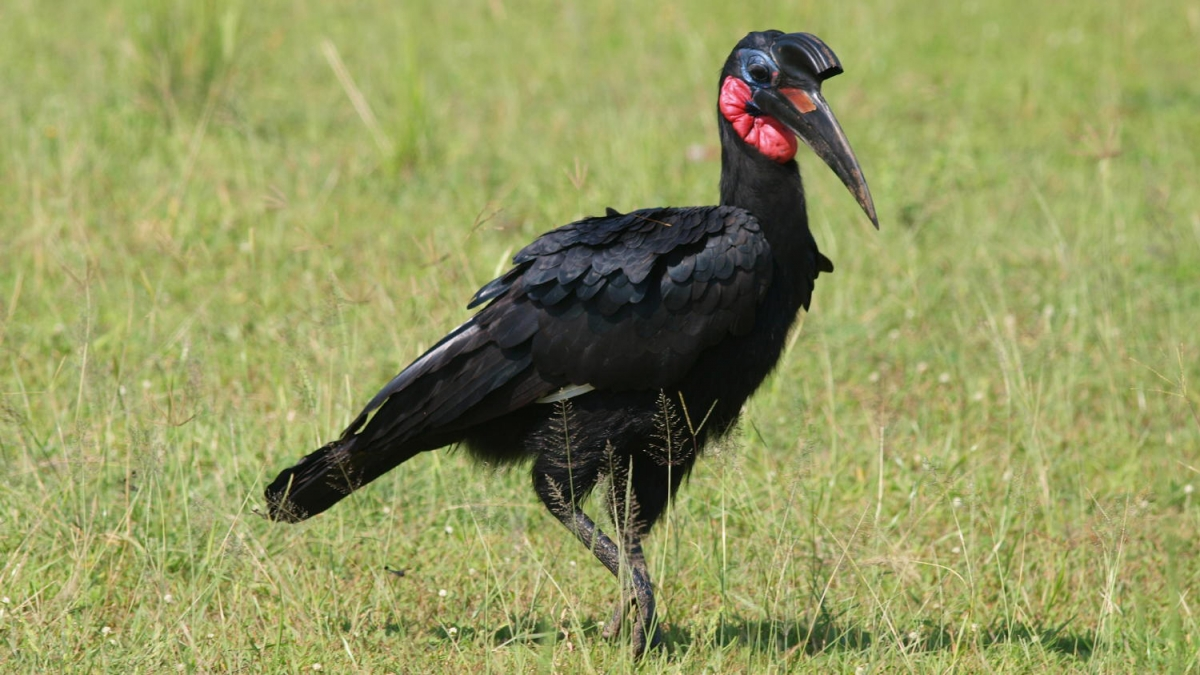
The park is a habitat for over 95 mammal species with over 600 species of birds. Queen Elizabeth harbors four of the big 5 animals. The rhino is not present.
The park’s grasslands harbor impressive wildlife species such as chimpanzees, leopards, lions, elephants, hippopotamuses, water buffaloes, waterbuck, Uganda kob, warthog, hyena, giant forest hog, and several types of antelopes, such as duiker, bushbuck, and reedbuck.
The Ishasha section great viewing opportunities for topis and tree climbing lions. The Kyambura Gorge and Maramagambo forest provide favorable primate viewing experiences. The Kazinga Channel boat launch cruise takes you to Nile crocodile-infested banks, and you’re sure to see amazing big game on the banks of the channel. Apart from the rhino, giraffe and zebra are also absent.
The best time to view wildlife is in the dry season (January to February and June to August), where wildlife concentrate near the river shores and waterholes.
Queen Elizabeth National Park has several other primates found within its habitats, and these include:
Black and white Colombus Monkey
Blue monkeys
Olive baboons
Vervet monkeys
Red-tailed monkeys
Chimpanzees are, by nature, a lot more aggressive, but conservation authorities have habituated the groups you’re permitted to visit. Aggression towards humans in that context is extremely rare, but you have to exercise caution when near chimps. These are some of the precautions to be observed while tracking chimps in QENP’s Kyambura gorge.
Keep a safe distance from primates – Do not visit chimps when you are ill or with an infectious disease.
Do not use flash photography
Back away slowly if the animal approaches you
In the forest, the path or trail does not belong to you. Never block the animal’s path.
Sectors in Queen Elizabeth NP
Explore Africa’s wonders on our unmatched safari adventures. Discover our wide range of themed safaris: overland, beach, honeymoon, photo, yoga & more. Safaris in Africa are once-in-a-life-time experience. Where to go on Safari and When to go are critical. We tailor-make Safaris in Kenya, Tanzania ,Uganda,